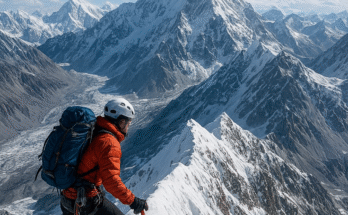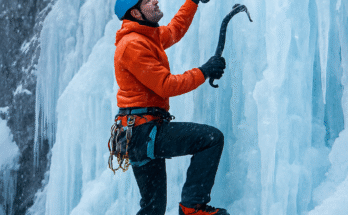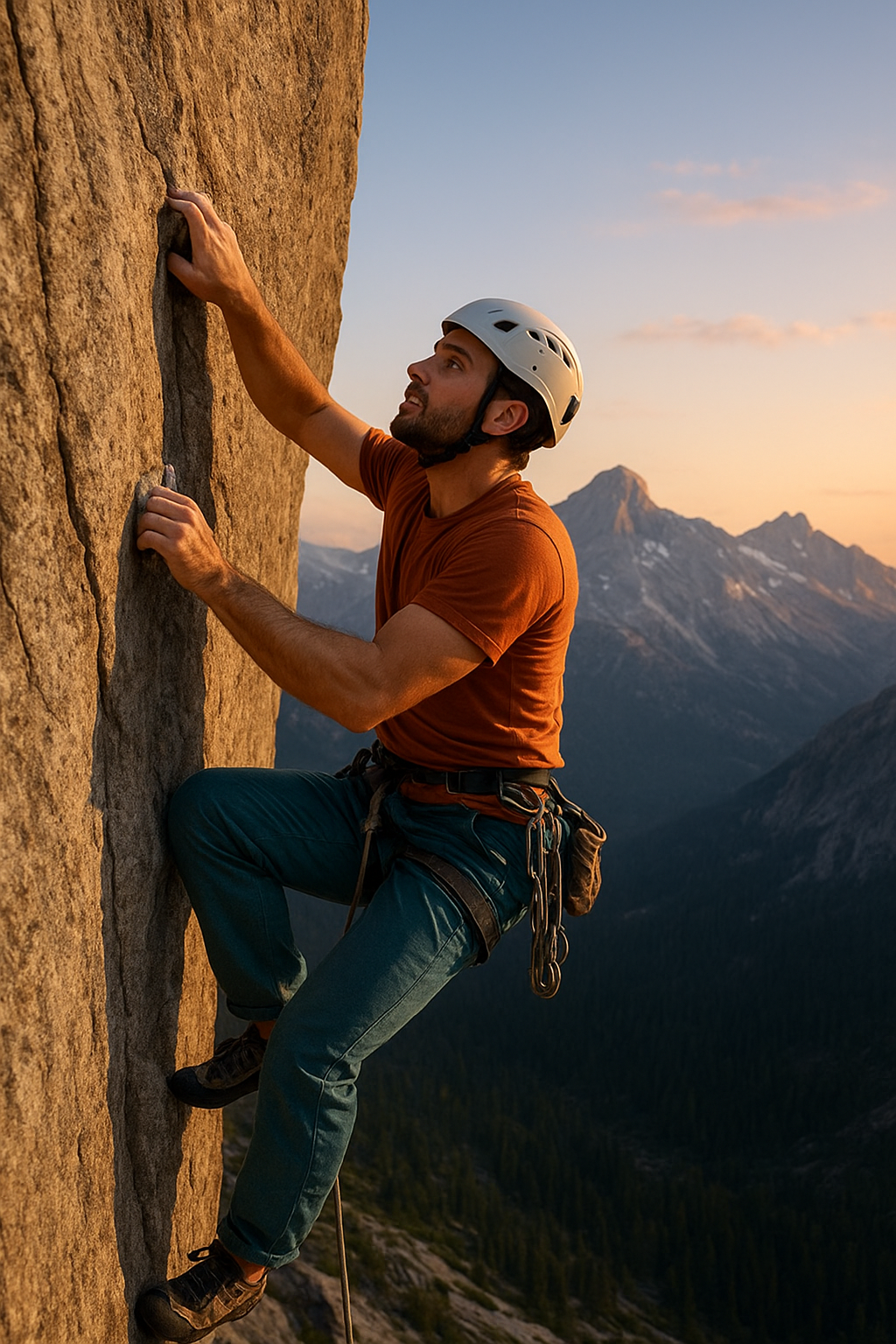
You stand at the base of a rock wall, hands chalked, eyes tracing a line of holds to the top. It’s just you, gravity, and the stone. Rock climbing isn’t just a sport — it’s a dance with the earth itself. A mix of physical grit, mental focus, and a craving for that quiet triumph that comes when you reach the top.
In climbing, the mountain doesn’t move — you do. And every move tells a story.
Why Rock Climbing?
Because it teaches you how to fall — and how to rise again.
Because it’s not about speed, but control, strategy, and flow.
Because the view from the top is earned, not bought.
Rock climbing pushes you beyond strength. It demands problem-solving, patience, and trust — in yourself, your gear, and your climbing partner. Whether you’re 10 feet off the ground or 1,000, your mind needs to stay right there in the moment.
That’s where the magic happens.
Types of Rock Climbing
- Bouldering
- No ropes. No harness. Just you, your shoes, and a crash pad.
- Short, powerful climbs (called “problems”) on rocks or walls usually under 20 feet.
- Perfect for explosive strength and technique training.
- Sport Climbing
- Climbing on bolted routes with a rope and harness.
- Focuses on endurance, technique, and rhythm.
- Indoor gyms and outdoor crags alike are full of sport climbers.
- Trad (Traditional) Climbing
- No pre-fixed bolts; you place your own protection gear as you climb.
- Mental game is strong here — one of the purest, boldest forms of climbing.
- Requires experience and trust in your skills and equipment.
- Free Soloing(Not recommended unless you know what you’re doing)
- Climbing with no ropes or protection — just you and the wall.
- High risk, high consequence. Done by elite climbers only.
- Top-Rope Climbing
- Rope is anchored from the top; beginner-friendly and very safe.
- Great for learning techniques and building confidence.
Top Rock Climbing Destinations Around the World
- Yosemite National Park (USA) – Legendary big walls like El Capitan; birthplace of modern climbing.
- Kalymnos (Greece) – Limestone cliffs over turquoise seas; a climber’s paradise.
- Railay Beach (Thailand) – Stunning overwater climbs with tropical views.
- Hampi (India) – Ancient boulders spread across a surreal landscape; a boulderer’s dream.
- Fontainebleau (France) – One of the best bouldering areas in the world, set in a magical forest.
- Red River Gorge (USA) – Steep sandstone walls and an endless number of routes.
What You Need to Get Started
- Climbing shoes – snug, sticky rubber soles for grip and precision.
- Chalk & chalk bag – keeps your hands dry for better friction.
- Harness & helmet – safety first, always.
- Belay device & rope (for roped climbing)
- Crash pad (for bouldering outdoors)
- A climbing partner – or a belay buddy at the gym
Most people start indoors at climbing gyms to learn the basics. But once you’re hooked, the outdoor world is waiting — and it’s full of rocks ready to test your spirit.
Why Climbers Keep Coming Back
Because climbing teaches you more than just how to move upward.
It teaches you how to be still in discomfort, how to face fear and not let it win, and how to trust something bigger than yourself — the wall, the rope, your partner, the process.
And when you fall (because you will), you learn how to fall well — and try again. Higher, smarter, stronger.
Climbing Is Not About Conquering the Rock
It’s about understanding it. Listening to it. Learning how to move with it. Every route is a puzzle, and every successful climb is a quiet celebration of mind over matter.