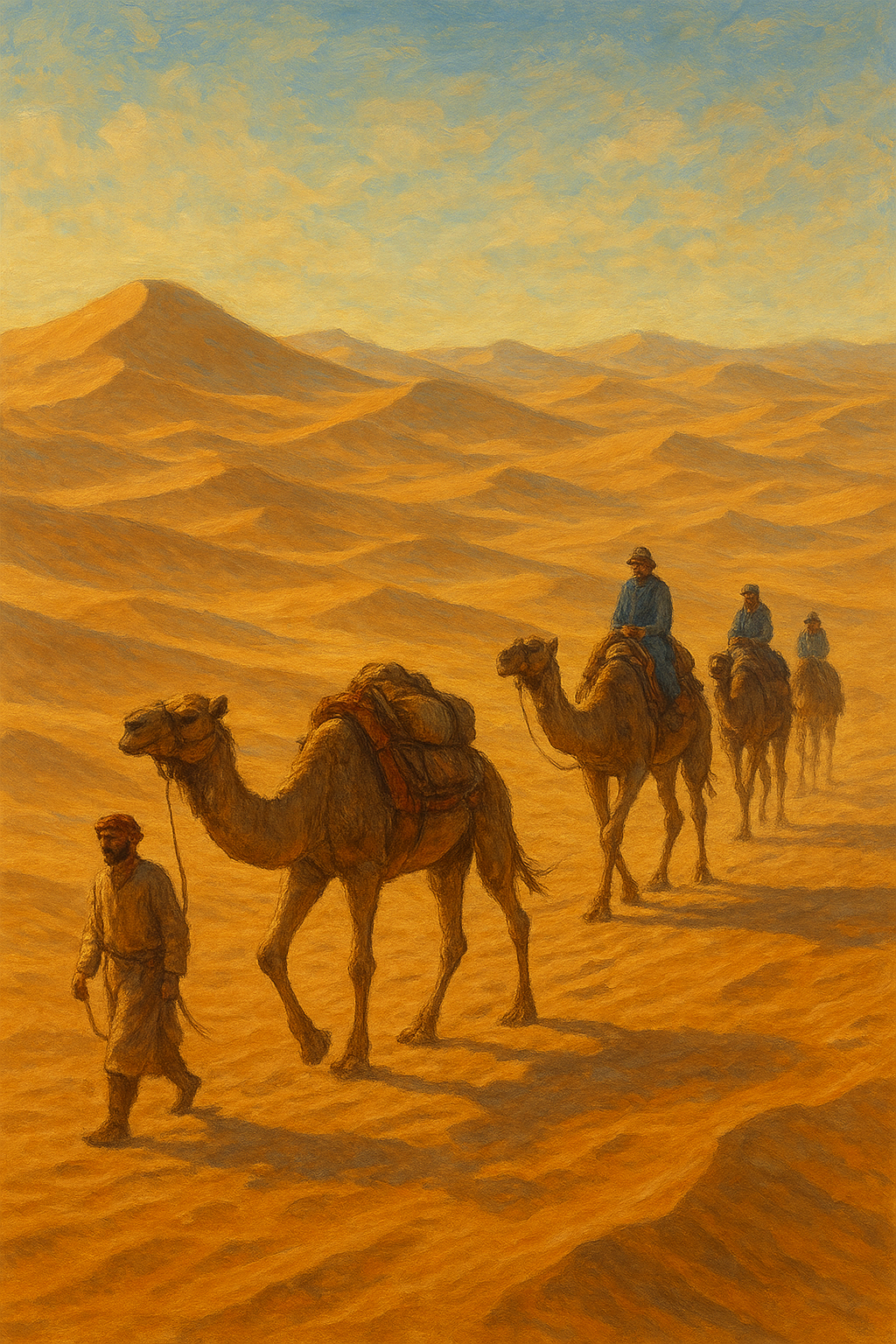
There’s something magical about traveling by camel — the gentle sway of the animal, the crunch of sand beneath padded feet, the silence of the open desert stretching to the horizon. Camel safaris aren’t just a mode of transport — they’re a window into ancient ways of life, a cultural adventure, and a journey through some of the world’s most spectacular and remote landscapes.
Used for thousands of years by traders, nomads, and explorers, camels remain the ultimate desert companion — and camel safaris are one of the most immersive ways to experience the spirit of the desert.
🏜️ What Is a Camel Safari?
A camel safari is a guided journey through desert terrain on the back of a camel, often lasting from a few hours to several days. These safaris can include:
- Traversing sand dunes
- Camping under the stars
- Visiting remote villages
- Experiencing nomadic culture and hospitality
The pace is slow, the experience is intimate, and the connection to nature and tradition is unlike anything else.
🌍 Top Destinations for Camel Safaris
🔸 Thar Desert – Rajasthan, India
- Base towns: Jaisalmer, Bikaner, Pushkar
- Highlights: Ride through rolling dunes, stay in desert camps, enjoy Rajasthani folk music and dance by the fire.
- Best time: October to March
🔸 Sahara Desert – Morocco
- Base towns: Merzouga (Erg Chebbi), Zagora (Erg Chigaga)
- Highlights: Sunset camel rides, Berber tent stays, mint tea ceremonies, and dramatic dune landscapes.
- Best time: October to April
🔸 Gobi Desert – Mongolia
- Highlights: Two-humped Bactrian camels, nomadic family visits, and vast open steppes mixed with rocky terrain.
- Best time: June to September
🔸 Wadi Rum – Jordan
- Highlights: Ride through red rock valleys, explore ancient petroglyphs, and sleep under the stars with Bedouin guides.
- Best time: Spring and autumn
🔸 Outback Deserts – Australia
- Highlights: Camel safaris near Alice Springs, exploring the Red Centre with Indigenous guides.
- Bonus: Australia’s wild camels are descendants of 19th-century caravan animals!
🧭 What to Expect on a Camel Safari
- Slow Travel: Camels move at a walking pace. It’s not a race — it’s a mindful, meditative journey.
- Unplugged Experience: Many areas have no signal — perfect for digital detox.
- Simple Living: Expect basic facilities, but rich human connection and incredible scenery.
- Cultural Exchange: Learn from local guides about their traditions, survival skills, and spiritual relationship with the land.
🎒 What to Pack for a Camel Safari
- Lightweight, long-sleeved clothing (sun protection + modesty)
- A scarf or turban (for sandstorms and sun)
- Sunscreen and lip balm
- A refillable water bottle
- Camera or journal
- Wet wipes and eco-friendly toiletries
- Layers — desert nights can get cold!
🐪 Tips for First-Timers
- Hold on!: The camel’s stand-up and sit-down motion is a bit dramatic — lean back and hold the saddle frame.
- Saddle Soreness: Use a cushion or folded blanket if provided. Shorter rides are better for beginners.
- Respect the Animals: Camels are gentle but sensitive. Avoid loud noises or sudden movements.
- Listen to Your Guide: Local guides know the land intimately and ensure your safety and cultural understanding.
🌌 Why Camel Safaris Are So Special
- Connection to History: You’re traveling like ancient traders on the Silk Road or spice routes.
- Immersion in Nature: No engines, no rush — just the wind, the sand, and the camel’s steady gait.
- Cultural Authenticity: Share meals, stories, and songs around the campfire with people whose ancestors have lived in deserts for generations.
- Moments of Awe: Watching the sunset from a dune. Hearing only the wind. Seeing a sky full of stars in complete silence.
🧡 Final Thought
A camel safari is a journey that slows you down and invites you to see the world through a timeless lens. It’s not about the destination — it’s about every step, every story, and every breath in the wide-open desert.
Whether you’re riding into the golden sands of Rajasthan or the red silence of Wadi Rum, you’ll come away with something rare: peace, perspective, and a deeper respect for the land and its people.


