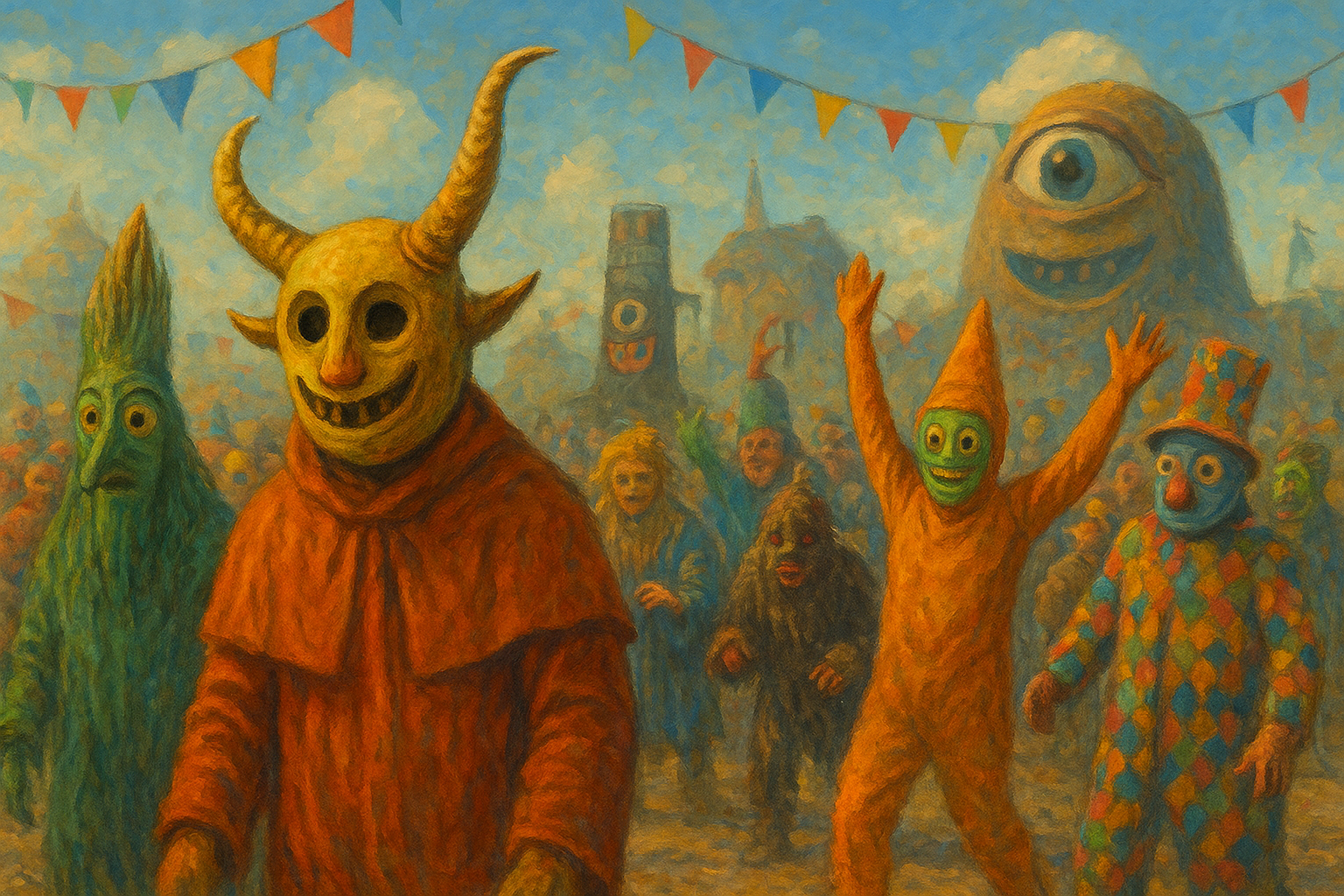
While mainstream festivals like Rio Carnival or Oktoberfest draw millions, some of the most unique cultural experiences are found in the offbeat festivals that few outsiders ever hear about. These gatherings often blend centuries-old traditions with local flavor, resulting in events that are weird, wonderful, and deeply rooted in community.
Offbeat festivals offer more than spectacle — they invite travelers to engage with culture in raw, playful, and sometimes downright bizarre ways.
Why Attend an Offbeat Festival?
- Authentic Cultural Connection
These festivals are often less commercial and more rooted in tradition, offering genuine local experiences. - Fewer Tourists
Without the crowds of big-name events, offbeat festivals let you immerse yourself in local life. - Unexpected Fun
Whether it’s tomato fights or fire-walking rituals, these events challenge your comfort zone in unforgettable ways. - Support Local Communities
Your visit often helps sustain small towns and unique cultural practices.
Offbeat Festivals Worth Traveling For
🔸 La Tomatina – Buñol, Spain
Every August, thousands of people pelt each other with overripe tomatoes in the streets of this small Spanish town. It’s messy, absurd, and wildly fun.
🔸 Goat Festival (Bokh Festival) – Tribes of Mongolia
A traditional nomadic festival celebrating the changing of seasons, including games, throat singing, and storytelling — often accompanied by rituals involving goats (but no harm to the animals).
🔸 Hadaka Matsuri (Naked Festival) – Okayama, Japan
Held in February, thousands of nearly-nude men in loincloths scramble to catch sacred sticks for good luck. A purification ritual with roots in Shinto beliefs.
🔸 Night of the Radishes – Oaxaca, Mexico
Every December 23, artisans carve intricate scenes out of large radishes — a surreal and artistic celebration combining indigenous and colonial traditions.
🔸 Baby Jumping Festival – Castrillo de Murcia, Spain
Yes, it’s exactly what it sounds like. In this Catholic fertility rite, men dressed as devils leap over babies laid on mattresses in the street. Meant to cleanse the infants of original sin.
🔸 Desert Festival – Jaisalmer, India
A 3-day extravaganza of camel races, turban tying, and folk performances held in the golden sands of Rajasthan. Think: color, pageantry, and cultural pride.
🔸 Busójárás – Mohács, Hungary
A scary-fun spring festival where masked “Busó” creatures chase away winter with drums, bonfires, and trickery — a blend of pagan and Christian traditions.
Tips for Enjoying Offbeat Festivals
- Do Your Research
Know what the festival is about and what’s expected of participants. Some events involve sacred rituals — respect is essential. - Book Ahead
While these festivals are lesser-known, accommodation in small towns can fill up fast. - Pack Accordingly
Tomato-stained clothes? Muddy shoes? It’s part of the fun. Bring spares or clothes you don’t mind losing. - Engage, Don’t Just Observe
Locals love it when you participate. Dance, eat, chant — get involved! - Learn the Story Behind the Festival
Many offbeat events have deep historical or spiritual significance. Understanding the roots adds meaning.
Hidden Gems You Might Not Know About
- Mud Festival – Boryeong, South Korea: A full week of mud wrestling, slides, and beauty treatments using mineral-rich mud.
- Golden Retriever Festival – Scotland: Hundreds of golden retrievers gather in their ancestral homeland. A heartwarming spectacle.
- Thaipusam – Malaysia: A visually intense Hindu festival involving body piercings, trance states, and a long pilgrimage to the Batu Caves.
- Cooper’s Hill Cheese Rolling – England: Brave (or mad) people chase a giant cheese down a steep hill. Yes, injuries are common.
- World Bog Snorkelling Championship – Wales: Swim through a muddy peat bog using flippers and snorkel. It’s as wild as it sounds.
Final Thought
Offbeat festivals remind us that culture isn’t always polished or predictable. Sometimes, it’s messy, noisy, ancient, hilarious, or a bit unhinged — and that’s exactly what makes it so human. These wild celebrations show the creativity, resilience, and communal joy that define people around the world


