Sometimes, adventure lies just beneath the surface.
You don’t need heavy gear, oxygen tanks, or deep-sea training. All it takes is a mask, a snorkel, and the curiosity to dip your face into a new world. Snorkeling is one of the most accessible, peaceful, and soul-stirring ways to connect with the ocean.
The sea doesn’t ask much — just that you float, breathe, and look closely.
What Is Snorkeling?
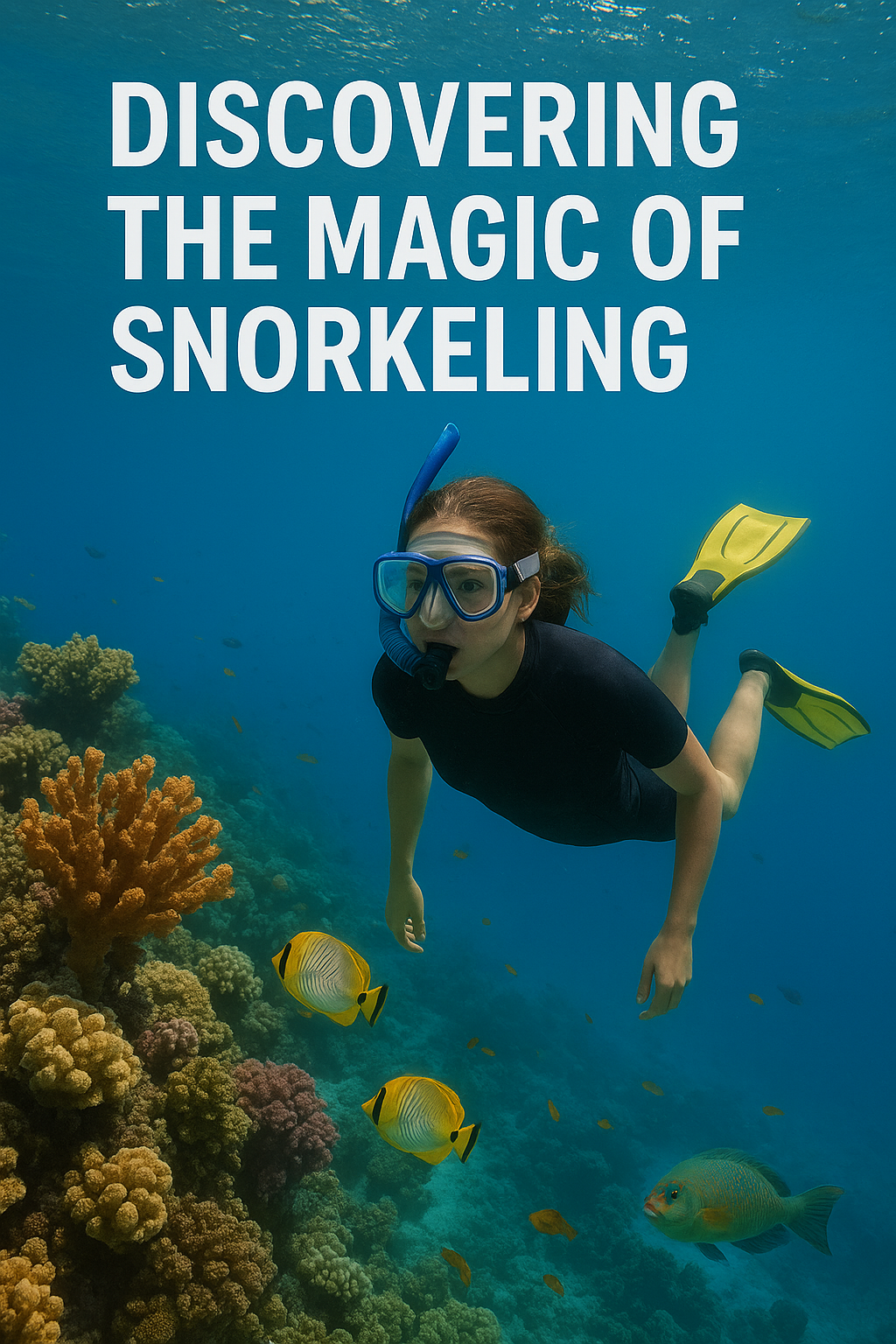
Snorkeling is the practice of swimming on or near the surface of the water while using a snorkel (a breathing tube) and a mask to see clearly underwater. Many people also wear fins to glide easily across the surface.
It’s ideal for exploring shallow coral reefs, coastal lagoons, and marine sanctuaries — often right off the beach.
Why Try Snorkeling?
- No training required – Anyone can do it, from kids to grandparents.
- It’s safe and affordable – Basic gear, no oxygen tanks, and minimal risk.
- Instant access to marine life – See colorful fish, coral, turtles, and even rays just meters from the shore.
- Peaceful and meditative – Float effortlessly, breathe deeply, and let the ocean unfold below you.
Snorkeling is more than a casual swim. It’s a moment of weightless wonder, suspended between sky and sea.
Top Snorkeling Destinations Around the World
🌊 Great Barrier Reef, Australia
- Vast coral gardens, sea turtles, clownfish, and the world’s most famous reef system.
🌊 Maldives
- Crystal-clear lagoons, rich coral life, and friendly reef sharks—right outside your overwater villa.
🌊 Andaman & Nicobar Islands, India
- Havelock, Neil Island, and Jolly Buoy offer calm, shallow reefs with vibrant biodiversity.
🌊 Hanauma Bay, Hawaii
- A volcanic crater turned marine preserve—perfect for spotting colorful reef fish.
🌊 Bora Bora, French Polynesia
- Shallow reefs, rays, and unbelievable turquoise waters—like snorkeling in a dream.
🌊 Red Sea, Egypt
- Warm waters, excellent visibility, and dazzling coral walls near Sharm El-Sheikh and Hurghada.
What You Need to Snorkel
- Mask – Covers your eyes and nose; should seal well and stay fog-free.
- Snorkel – A curved tube that lets you breathe while your face is in the water.
- Fins (optional but helpful) – Makes swimming easier and faster.
- Rash guard or wetsuit – For sun protection or warmth.
- Reef-safe sunscreen – To protect both your skin and the ocean.
Tips for First-Time Snorkelers
- Stay relaxed – Float calmly, don’t panic if water enters your snorkel (just blow it out).
- Practice in shallow water first before heading to deeper spots.
- Look, don’t touch – Coral is delicate and marine life should be observed, not disturbed.
- Watch the tide and currents – Stay close to shore and follow local safety guidelines.
- Go with a guide or snorkel tour if you’re unsure — they know the best (and safest) spots.
What You’ll See Beneath the Surface
- Schools of neon-colored fish darting between corals
- Starfish resting on white sand
- Curious sea turtles gliding slowly past
- Brain corals, sea fans, and swaying anemones
- Maybe even a stingray or reef shark if you’re lucky
Every snorkel spot tells a different story — some playful, some serene, all unforgettable.
Snorkeling vs Scuba Diving – What’s the Difference?
| Snorkeling | Scuba Diving |
|---|---|
| Surface-level | Deep water (up to 40m for recreational divers) |
| No training or certification needed | Requires certification and training |
| Ideal for casual or family trips | Best for in-depth marine exploration |
| Less gear, more affordable | More technical gear and planning |
| Great for shallow reefs | Great for wrecks, caves, and deeper reefs |
Both are magical in their own ways — but snorkeling is the perfect gateway.
Final Thoughts – Float, Breathe, Discover
Snorkeling isn’t just about seeing fish. It’s about slowing down. Floating quietly over a living world you didn’t know was there. Listening to your breath as your heartbeat calms. Watching nature carry on beneath you, unaware—or unbothered—by your presence.