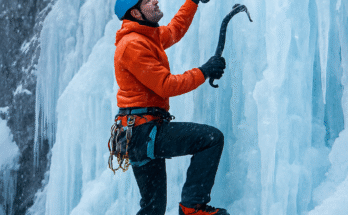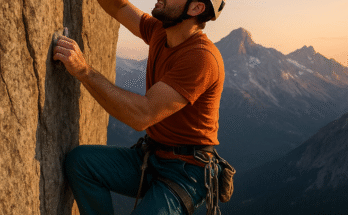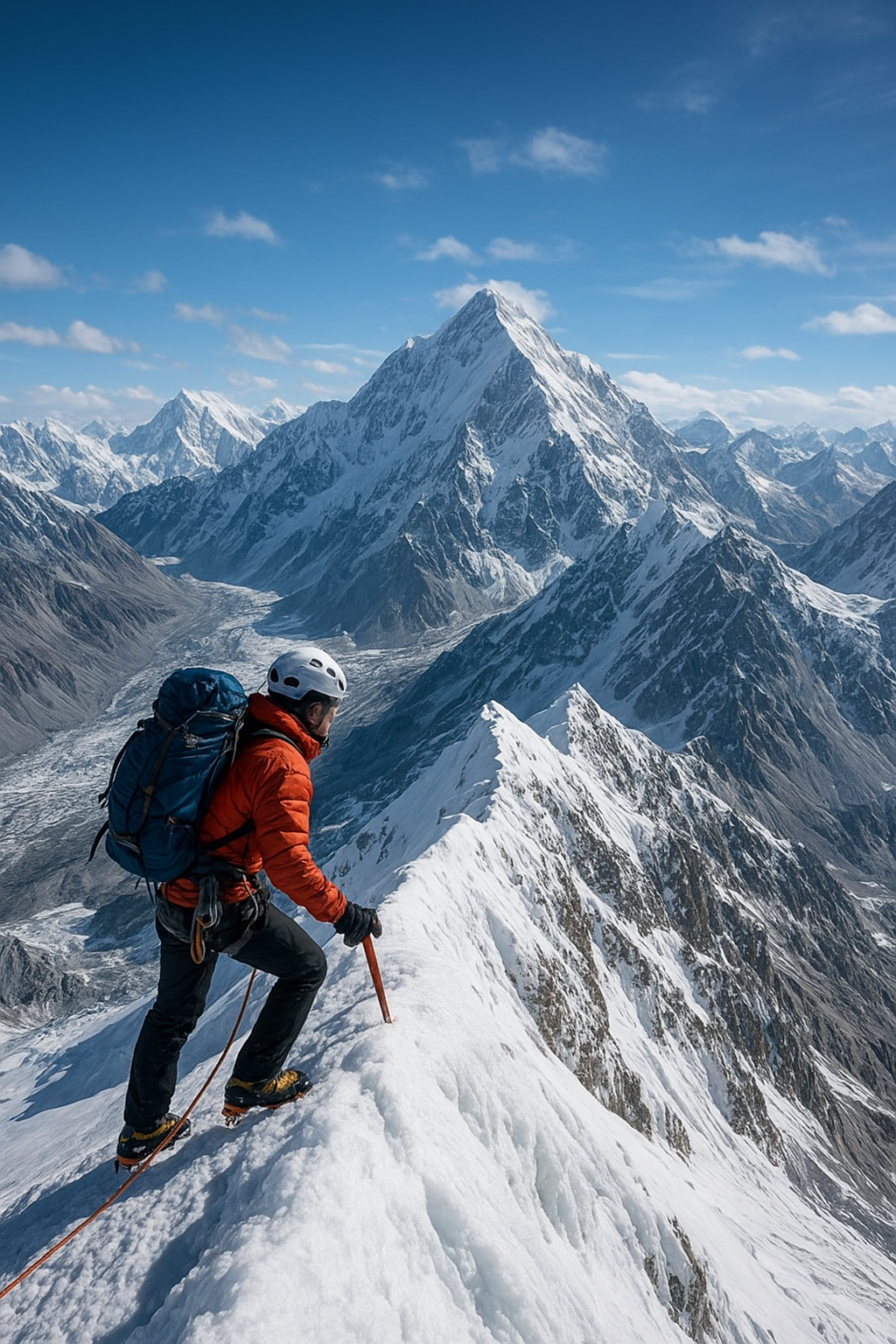
There’s a place above the clouds where the air thins, the winds bite, and every step feels like a lifetime. It’s a realm where comfort is a memory, mistakes can cost lives, and turning back is often wiser than moving forward.
Welcome to high-altitude mountaineering — the final frontier of human endurance and humility.
What Is High-Altitude Mountaineering?
High-altitude mountaineering typically refers to climbing mountains above 5,000 meters (16,400 ft), where oxygen levels drop significantly, temperatures plummet, and the human body starts to rebel.
Climbers face not only vertical rock and ice, but also their own biology:
- Altitude sickness (AMS)
- Extreme fatigue
- Harsh weather
- Isolation and exposure
It’s not about just reaching the summit. It’s about surviving the ascent — and making it back down.
Why Do People Climb So High?
Because there’s something primal in us that longs for the edge — not just of the world, but of ourselves.
- To challenge limits
- To witness the Earth from above the clouds
- To test focus under fatigue
- To seek stillness in chaos
- To find perspective at 7,000 meters
High-altitude climbing isn’t driven by ego — it’s driven by respect. The mountain doesn’t care who you are. You adapt, or you perish.
The Big Names in High-Altitude Mountaineering
- Mount Everest (8,848m) – The highest point on Earth, yet not the hardest. Crowded but iconic.
- K2 (8,611m) – The “Savage Mountain”; considered the most difficult and deadly 8,000er.
- Annapurna I (8,091m) – A technical killer with one of the highest fatality rates.
- Denali (6,190m, Alaska) – Brutal cold and isolation; the highest in North America.
- Aconcagua (6,961m, Argentina) – Tallest outside Asia; a great intro to high-altitude mountaineering.
What It Takes – Physically & Mentally
High-altitude climbing demands discipline, resilience, and obsession.
Training must include:
- Long-duration cardio & endurance workouts
- Strength and core conditioning
- Acclimatization strategies (hiking/climbing at progressive altitudes)
- Mental preparation — learning to stay calm in pain, fear, and exhaustion
Climbers often train for months or years before tackling even one high-altitude expedition.
Key Gear for High-Altitude Expeditions
- Mountaineering boots (double/triple insulated for sub-zero temps)
- Layered clothing system (base, insulation, outer shell)
- Down suit or jacket
- Ice axe, crampons, harness
- Climbing helmet
- Oxygen system (above 7,000–8,000m)
- Glacier glasses & goggles (snow blindness is real)
- Sleeping bag (-30°C or colder)
- Climbing rope, tents, cooking system, avalanche safety gear
And of course, mental toughness, teamwork, and expert guidance — your most critical tools.
Dangers at High Altitudes
Climbing at altitude isn’t a game. Here are just some of the threats:
- Acute Mountain Sickness (AMS): Headache, nausea, dizziness
- High Altitude Pulmonary Edema (HAPE): Fluid in the lungs — life-threatening
- High Altitude Cerebral Edema (HACE): Swelling of the brain — can be fatal
- Frostbite & Hypothermia: Due to extreme cold and windchill
- Avalanches, Crevasses, Rockfall: Common hazards on snow-covered or glacial terrain
- Exhaustion: Climbing above 7,000m feels like moving through syrup
Even the fittest can fail here. Success comes from experience, humility, and decision-making — not bravado.
The Death Zone (Above 8,000 meters)
Here, oxygen levels drop to just one-third of what they are at sea level.
The body begins to shut down. Sleep is shallow. Movement is slow. Judgment falters.
This is where every breath is a victory — and where climbers must move fast, or not at all. Staying too long can be fatal.
Why Climb, If It’s So Dangerous?
Because at 7,000 meters, everything unnecessary disappears.
There are no emails, no notifications, no noise. Just the sound of your breath, your heartbeat, and the crunch of snow beneath your boots.
You learn who you are when you’re stripped bare — physically and emotionally.
And when you reach the summit — or even just try — you carry that clarity with you for life.
Final Thoughts – Mountains Don’t Need Us. We Need Them.
High-altitude mountaineering isn’t about conquering nature.
It’s about understanding it. Respecting it. Moving through it carefully, humbly, with awe.